Season Ready License Plate Recognition for Gates and Parking
Busy entrances have a familiar problem: vehicles must keep moving, but access still has to be verified. Badges get shared, QR codes make drivers stop, and manual checks create queues, especially during shift changes, holiday peaks, or delivery rushes.
Automatic license plate recognition, also known as LPR or ANPR, helps by identifying vehicles as they approach. A camera captures the plate, software converts it into text, and the result is matched to rules such as allowed, denied, visitor, or time-limited. When implemented well, it becomes a dependable layer in a broader access control and security workflow.
Where it delivers the most value
License plate recognition is not only for high security sites. It is most useful anywhere you need predictable flow and a reliable record of vehicle movements.
Common use cases include:
– Employee and contractor gate access with automatic entry for authorized vehicles
– Parking facilities that need permit enforcement or session validation
– Logistics yards and distribution centers where trucks must be identified at entry and exit
– Restricted zones where watchlists can trigger alerts
– Visitor management using pre-registered plates for a specific time window
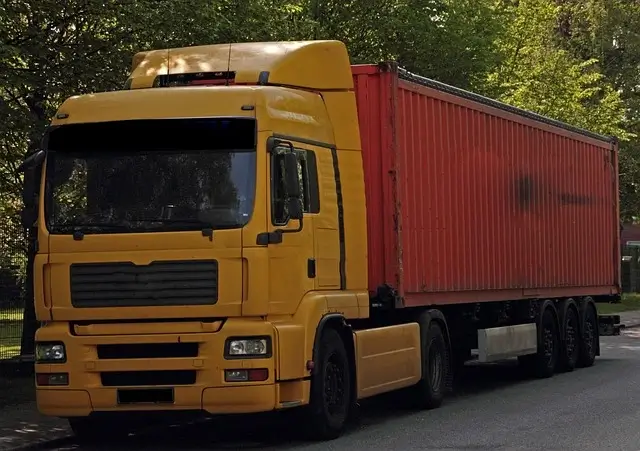
Image Source: Pixabay
Why seasonal conditions change the requirements
Many deployments are tested on a clear day and then struggle later. Weather and daylight shifts can affect capture quality and consistency.
Plan for:
– Winter darkness and low sun angles that increase glare
– Rain, fog, and spray that reduce contrast
– Snow or dirt that partially covers plates
– Peak season traffic that increases tailgating risk and queue length
A season-ready setup combines good optics, smart placement, and clear lane discipline so performance stays stable throughout the year.
Integration matters more than the camera
The best results come when a plate read becomes an actionable event in systems you already use, such as access control platforms, parking management software, or security operations tools. This is also where audit trails and consistent enforcement are created.
When evaluating solutions, look for:
– Integration options like APIs or standard interfaces
– Flexible rule logic such as whitelists, blacklists, and time-based permissions
– Design for real conditions including night lighting, glare, and varying approach speeds
For a practical overview of an enterprise approach to vehicle identification and access workflows, see this license plate recognition system page.
Deployment basics that decide success
Even strong software can underperform if installation details are ignored. Focus on fundamentals that improve recognition accuracy and reduce exceptions.
Checklist:
- Camera placement and angle so plates are clearly visible in the lane
- Lighting planning for night conditions and headlight glare
- Lane discipline using markings or barriers to keep vehicles in the capture zone
- Privacy and retention rules, including who can access logs and how long data is stored
- Fallback handling for unreadable plates, such as intercom, temporary code, or manual review
Reliable performance
A well designed LPR or ANPR setup can reduce friction at entrances while improving control, traceability, and throughput. To keep performance reliable, treat seasonal conditions as a design input, not an afterthought, and prioritize integration so plate reads drive the right actions across your access control and parking workflows.

Comments