Safe, Simple, and Space-Saving: Home Gymnastics Equipment for Small Areas
For many families, encouraging children to stay active through gymnastics feels like a natural choice. It builds strength, coordination, confidence, and discipline. But setting up a training area at home can seem tricky—especially when space is limited. Not everyone has the luxury of a spare room or basement gym. The good news is, you don’t need a lot of space to support meaningful practice. With the right home gymnastics equipment, even the smallest corners of a home can become a place for movement, progress, and safe fun.
The key lies in choosing gear designed to be compact, easy to store, and multifunctional. For example, foldable mats are a favourite among families with limited space. These mats can be laid out for practice, then quickly tucked under a bed, behind a sofa, or into a cupboard when not in use. Some even fold into blocks or incline shapes, which can be used for drills, strength exercises, or as soft landing platforms. Despite their light build, many of these mats offer a high level of shock absorption, helping to protect joints and reduce the risk of injury during regular use.
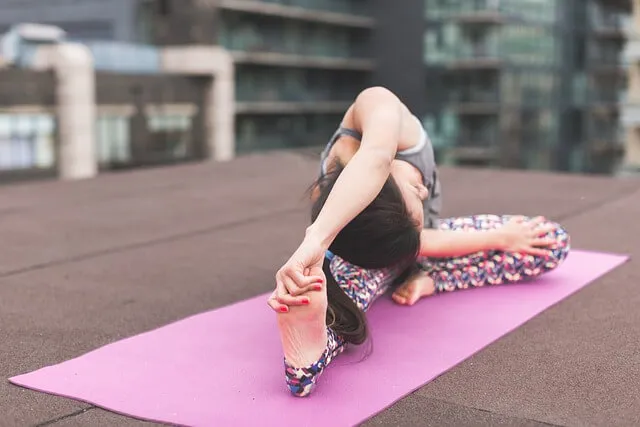
Image Source: Pixabay
Balance beams designed for home use also make a big difference. Instead of the high, rigid models found in professional gyms, home beams tend to sit directly on the floor and are made of soft materials with grippy bottoms to avoid sliding. These are perfect for narrow spaces like hallways or the edge of a bedroom. Children can work on foot placement, posture, and focus—without the height or hazard of a raised beam. These small-scale tools still support important foundational skills while fitting neatly into family life.
Some families also invest in adjustable training bars, though not every small space can accommodate them. A collapsible bar with height settings and a stable base can support basic moves like pullovers or hangs and folds down for easy storage. These bars are often placed on top of a mat, creating a simple but effective mini-training zone. While they don’t replicate the height or strength of competition bars, they help young gymnasts build strength and practise technique safely at home.
Safety remains a priority in compact setups. In a tight space, the margin for error is smaller—there’s less room to fall, roll, or move freely. That’s why it’s important to choose home gymnastics equipment that includes built-in safety features. Anti-slip surfaces, padded edges, and firm but forgiving foam all contribute to a safer training experience. It’s also worth checking the quality of seams and stitching, especially on gear that gets folded or carried often.
Aside from safety and function, flexibility is a big advantage. A single mat can serve several purposes throughout the week—used for stretching one day, balance the next, and handstands the day after. Because it doesn’t need a fixed position, families can adjust the training area depending on what else is happening at home. This kind of shared space keeps the household running smoothly while still supporting a child’s development.
Even if the space is small, consistent training still brings big rewards. Short sessions add up over time, especially when children are focused. A 15-minute practice before dinner or after homework can help maintain muscle memory, improve balance, and keep motivation high. And when the setup is easy to use and pack away, families are more likely to stick with the routine.
In the end, the best home gymnastics equipment doesn’t take over the house—it fits into it. With smart choices, compact designs, and a little creativity, any home can support safe and effective gymnastics practice, even without a dedicated room.

Comments